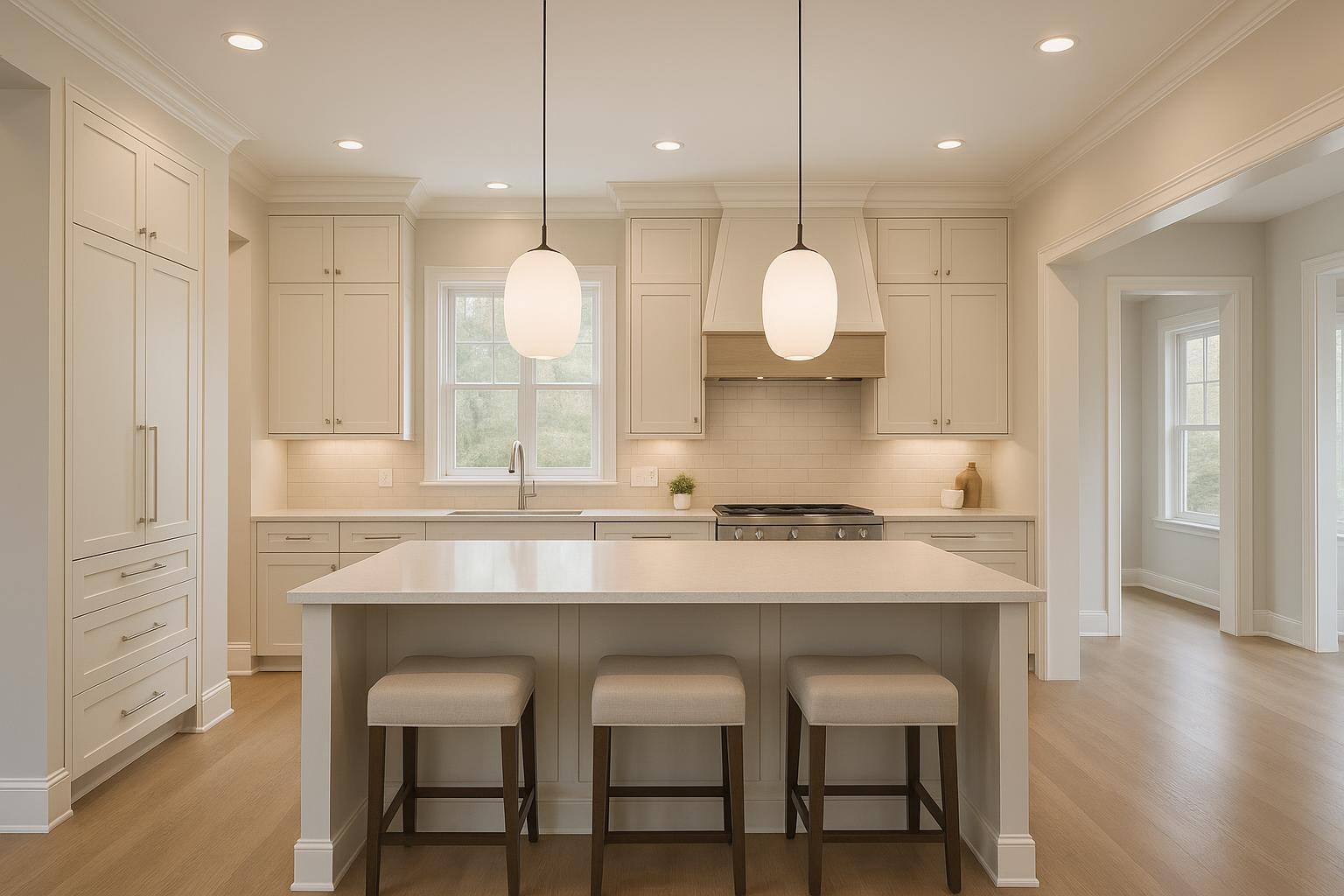
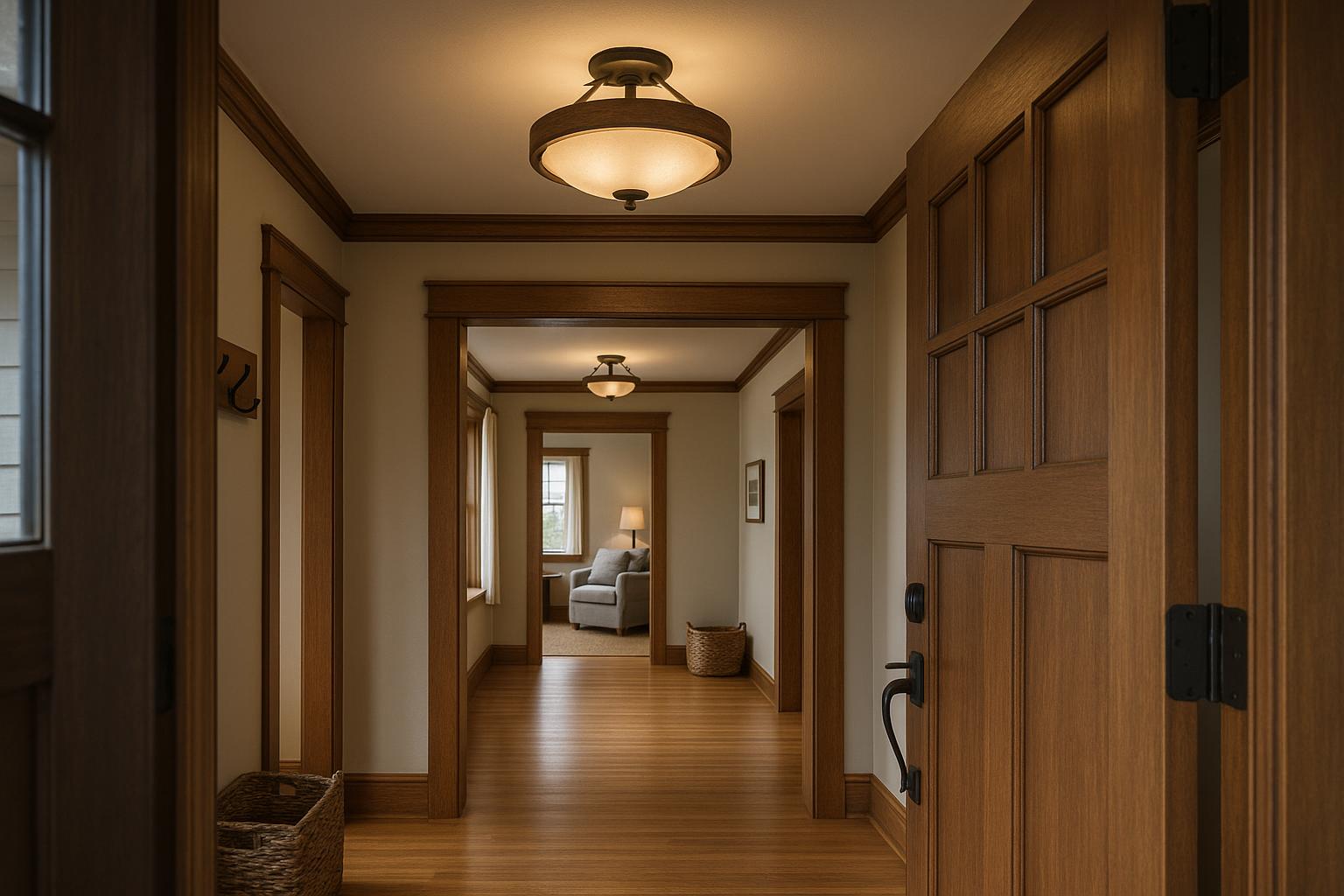
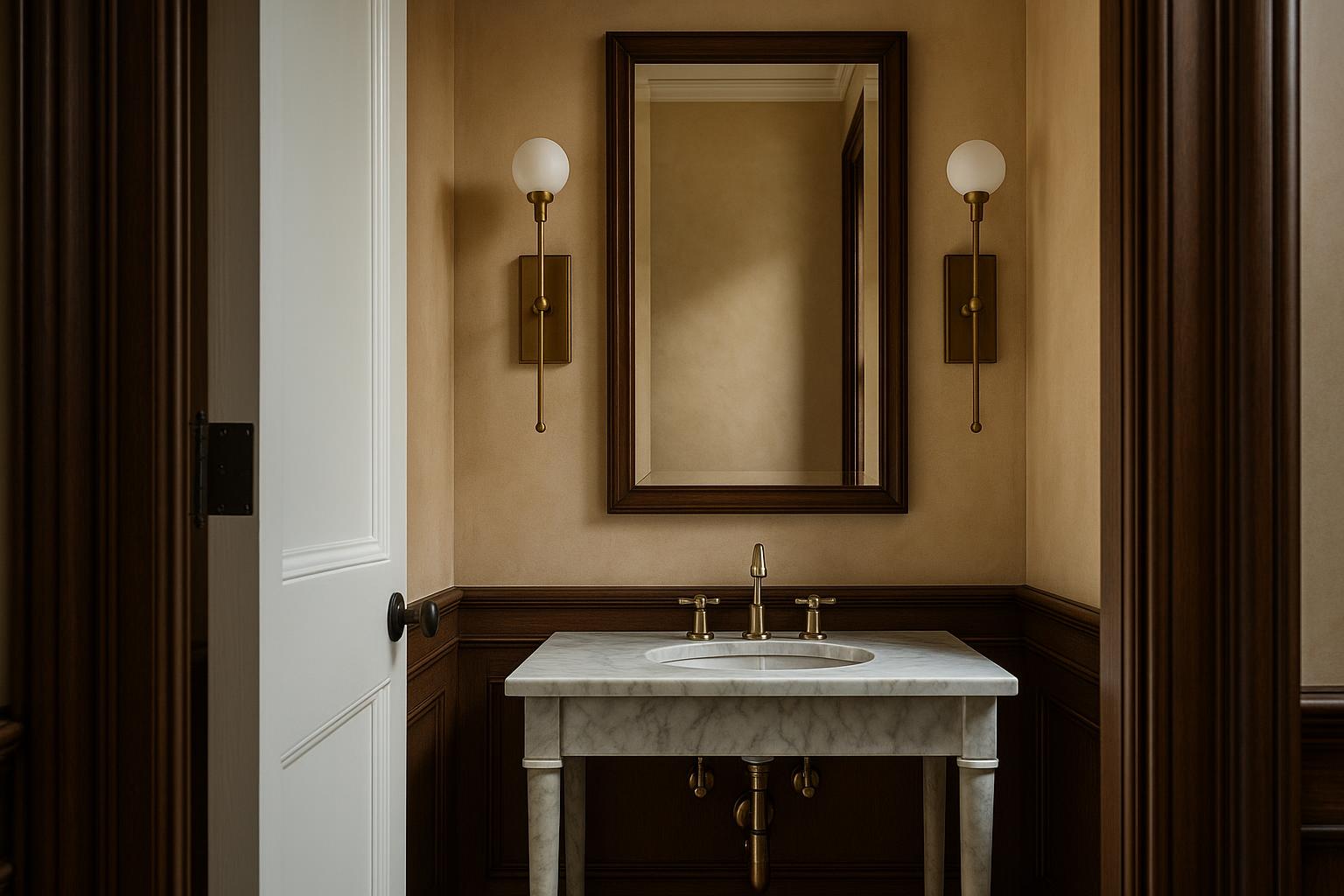
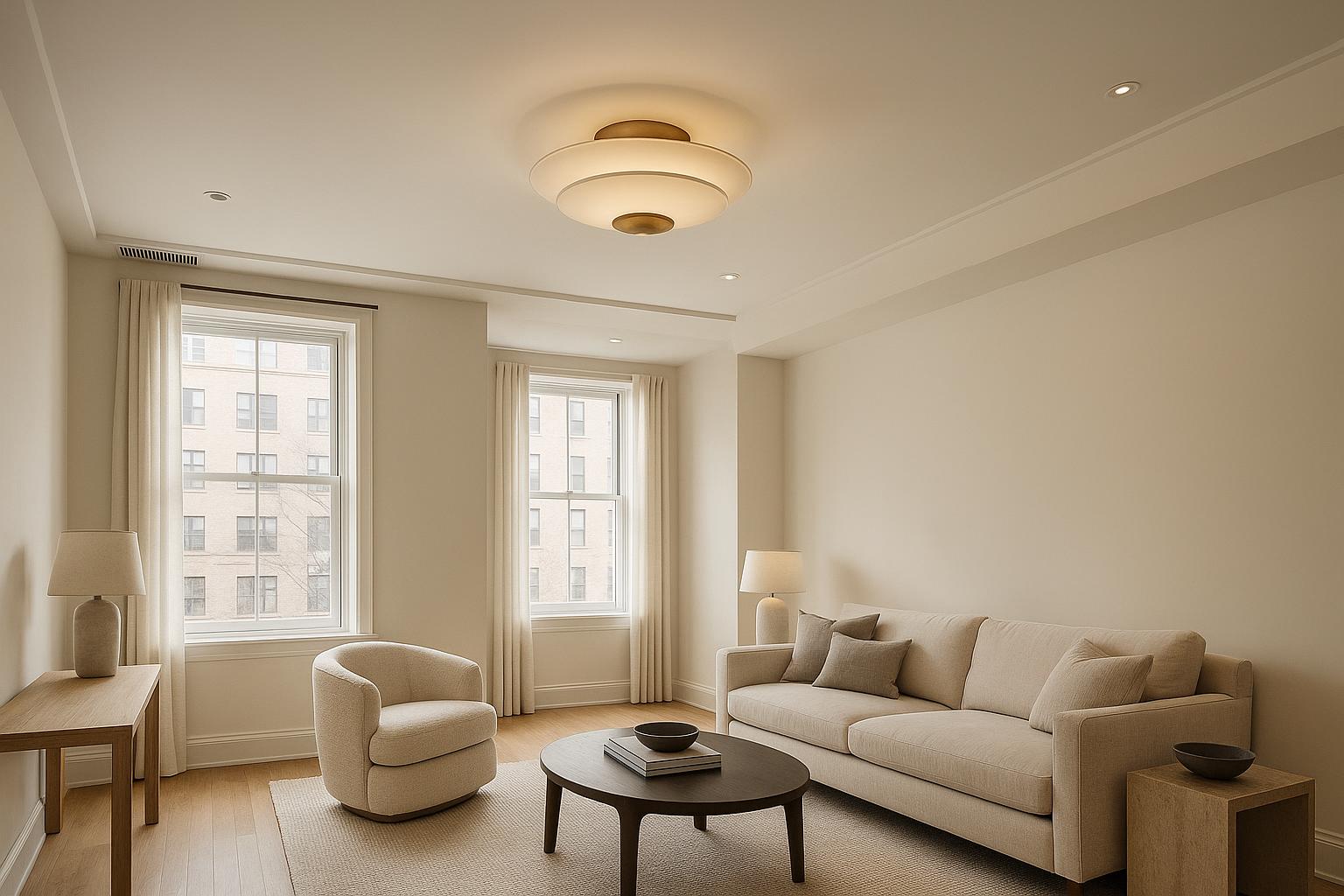
A successful brass lighting plan starts with the room, not a matching fixture set. Learn how to balance finish,...
- There are no more items in your cart
- Shipping
- Total $0.00
How to Choose a Black Chandelier for Your Dining Table
black chandeliers for dining room settings can define the table with a clear outline, even when the rest of the space is quiet and neutral. The finish works in contemporary, traditional, industrial, and farmhouse interiors, but color alone will not make a fixture suitable. Proportion, suspension length, glare control, and the shape of the light matter more.
Start with the dining table rather than the room as a whole. The chandelier should feel connected to the surface beneath it, remain comfortable in seated sightlines, and provide useful light for everything from weeknight meals to holiday dinners. Once those practical decisions are resolved, style becomes much easier to judge.
Size the Fixture to the Table
Measure the tabletop before comparing fixtures. A chandelier that is roughly one-half to two-thirds of the table width often provides a useful starting range, although construction can make two fixtures with the same dimensions look very different. Slender arms and open frames read as lighter than solid shades, layered rings, or closely spaced cages.

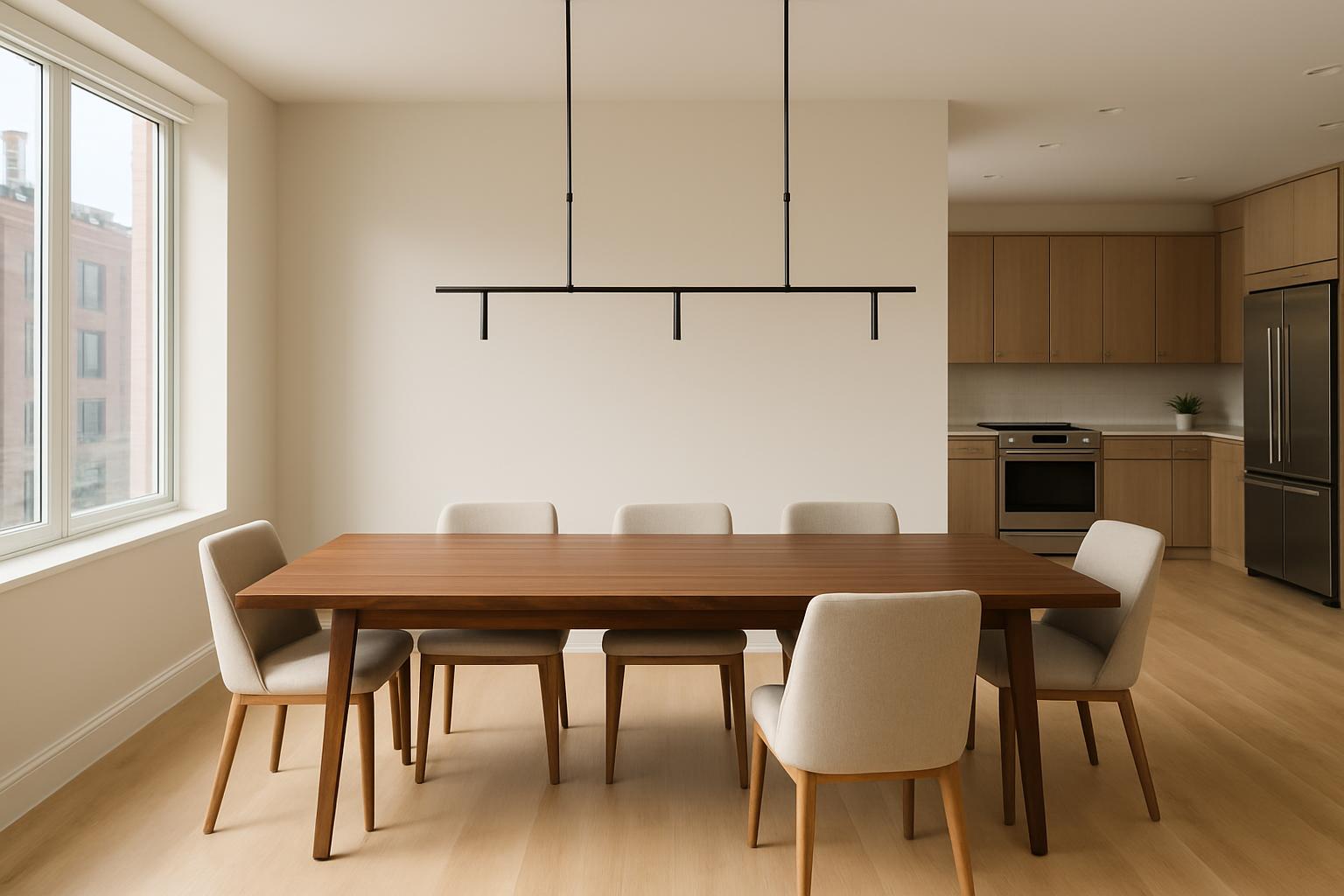
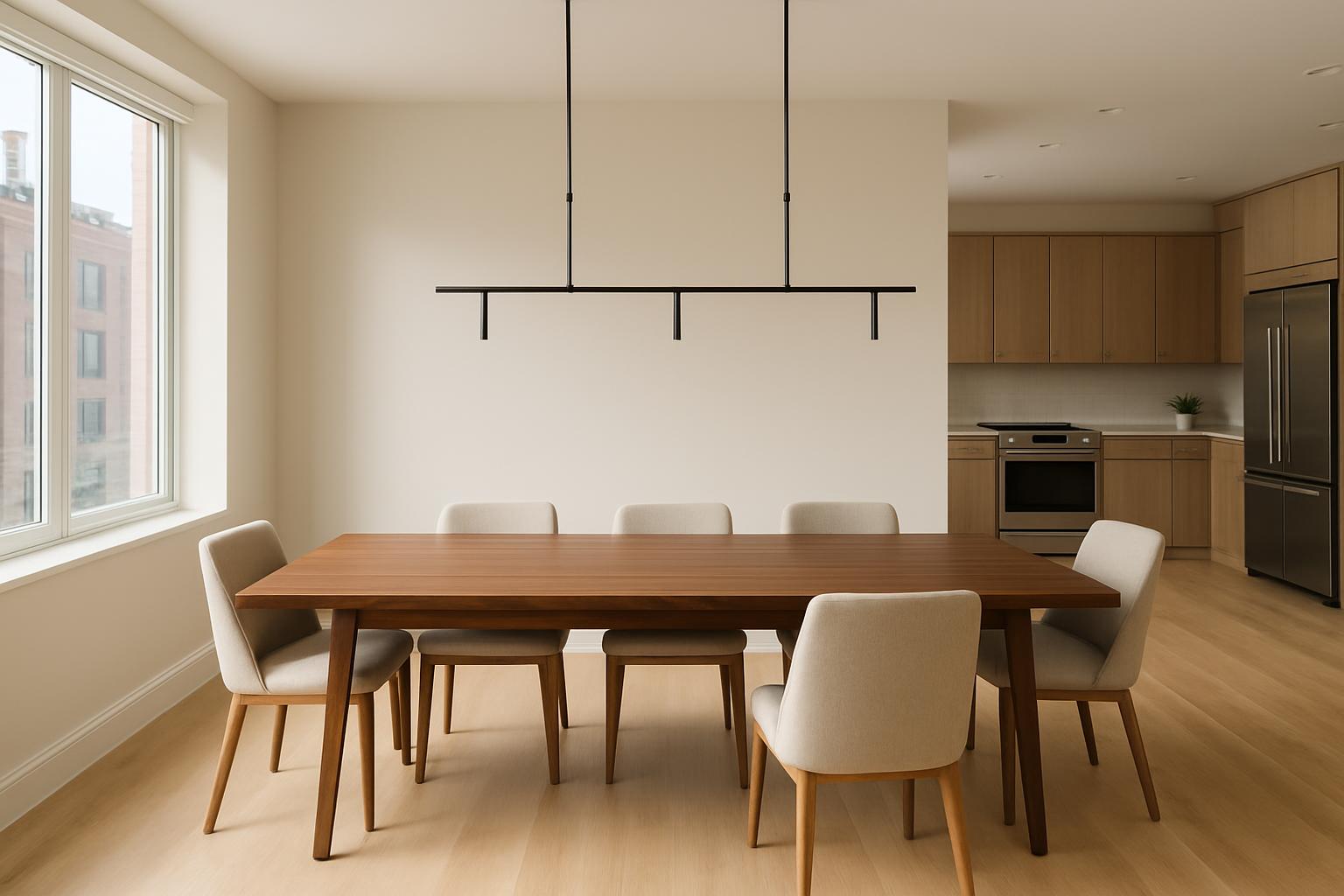
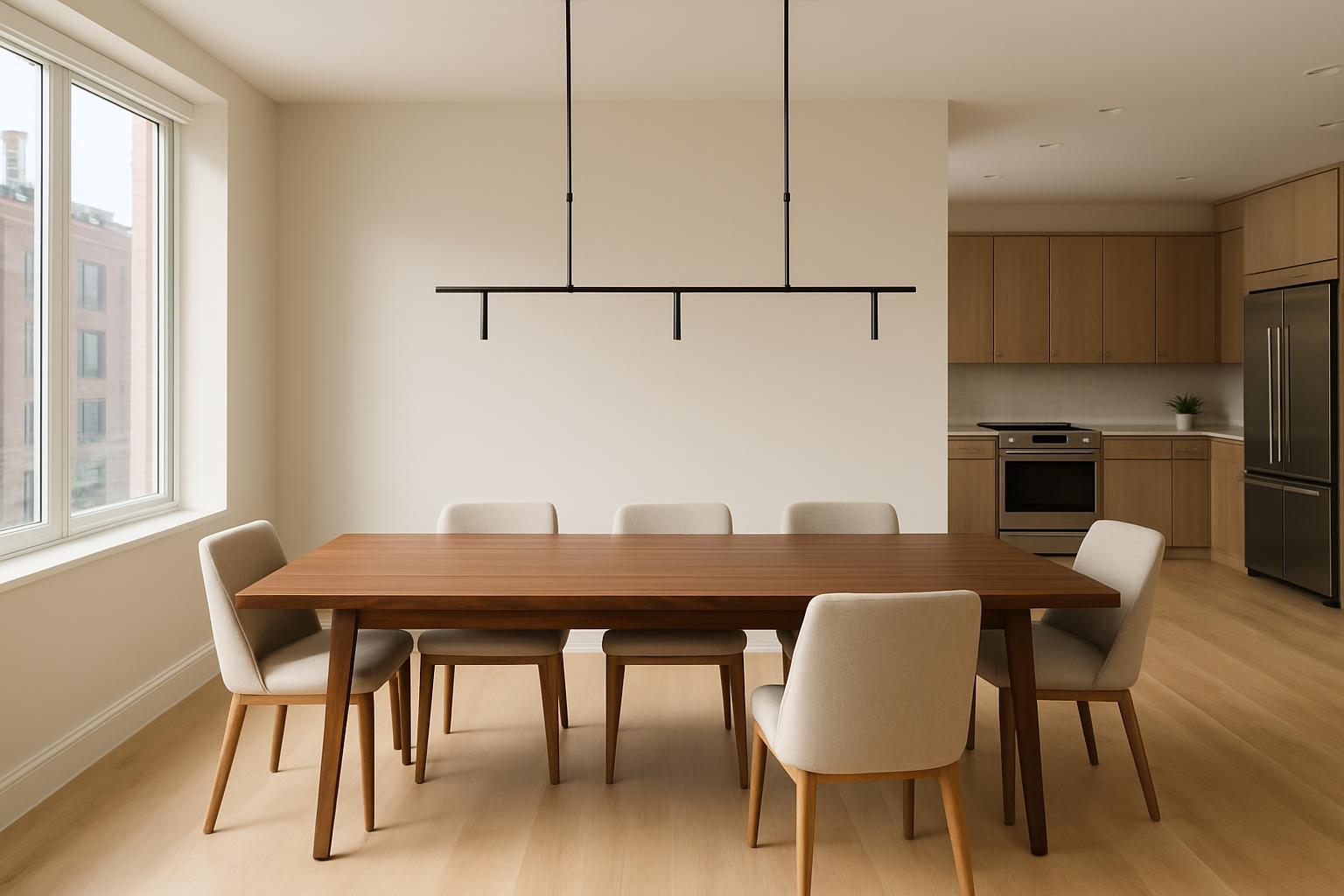
Table shape also helps narrow the options. A round table usually pairs naturally with a circular, globe, branching, or compact candle-style chandelier. An oval table can handle either a round fixture or a gently elongated one. Over a long rectangular table, a linear chandelier follows the direction of the surface and distributes its visual weight more evenly.
Use the table rather than the rug to determine the center. Dining rugs extend beyond chair legs so seats can be pulled out, which makes them unreliable as a fixture boundary. In an open-plan home, also confirm that the table is in its permanent position before moving a ceiling box or arranging installation.
If the table has extension leaves, consider both its everyday and expanded dimensions. A fixture does not need to cover the full length of an extended table, but it should not look stranded over one end when guests are seated.
Judge Visual Weight, Not Just Width
Published dimensions describe physical size, not perceived size. A wide modern black chandelier with thin rods and generous open space may feel less imposing than a much narrower industrial chandelier built from a dense cage or deep metal shades. Product photos against a blank background rarely make that difference obvious.
Ceiling height changes the effect. In a room with an 8-foot ceiling, a broad but shallow fixture can give the table presence without creating a dark mass overhead. A vaulted great room may need a deeper body, larger components, or a longer suspension so the chandelier does not disappear into the volume.
Study the fixture from the routes people actually use. Take photos from the kitchen, entryway, and family room, then imagine the outer edges of the chandelier in those views. Notice whether it would cut across a window, artwork, cabinet trim, or another important architectural line.
Choose a Shape That Fits Daily Use
The way the table functions should influence the silhouette. A dining area used for homework, crafts, and casual meals benefits from an open design that leaves the tabletop visually accessible. A formal room used mostly after dark can support a more sculptural fixture with greater contrast and deeper shadow.
- Linear frames reinforce the length of rectangular tables and help organize open-plan layouts.
- Branching fixtures create movement and often work well above round or oval tables.
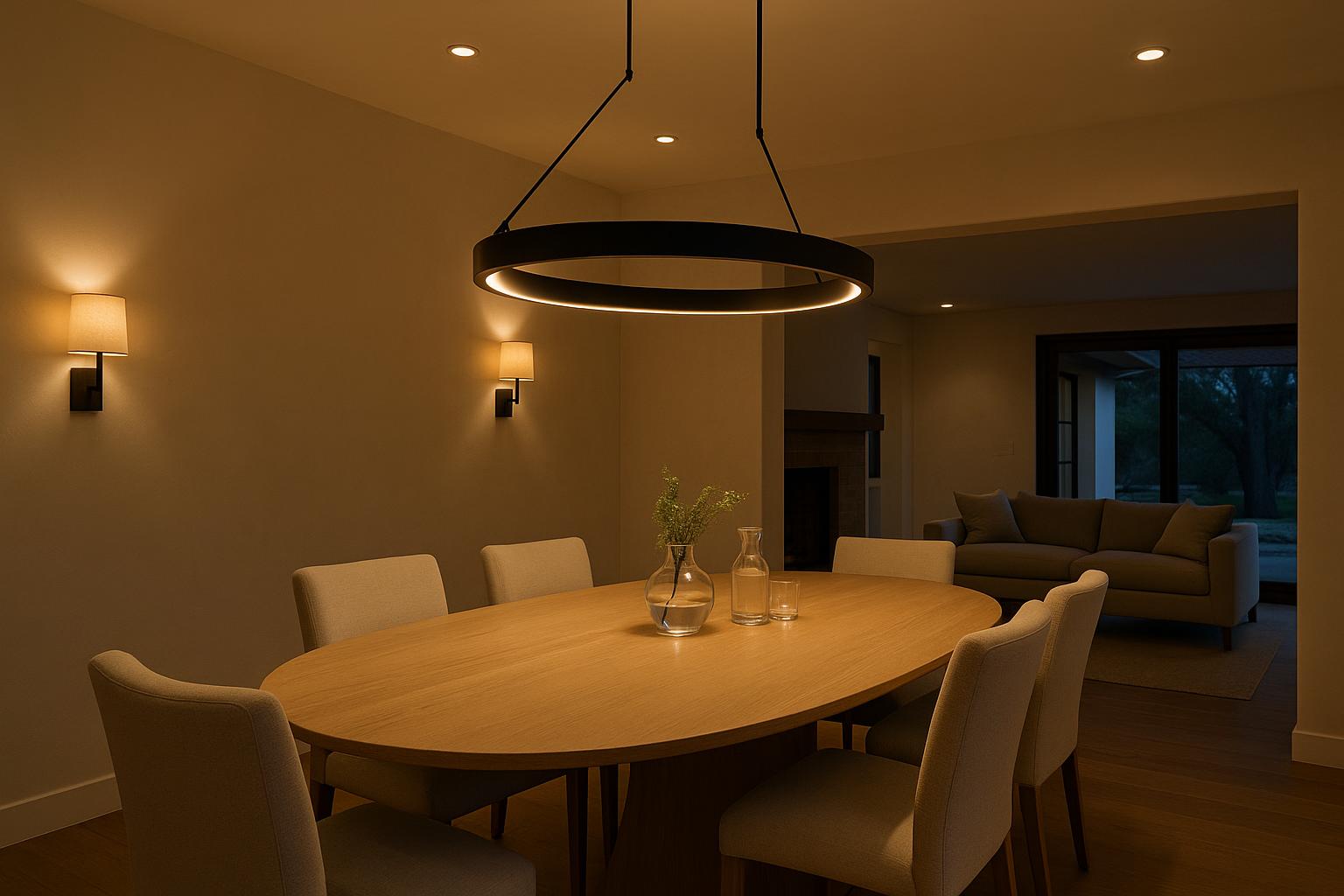
- Ring chandeliers establish a calm horizontal line in rooms with busy cabinets or patterned walls.
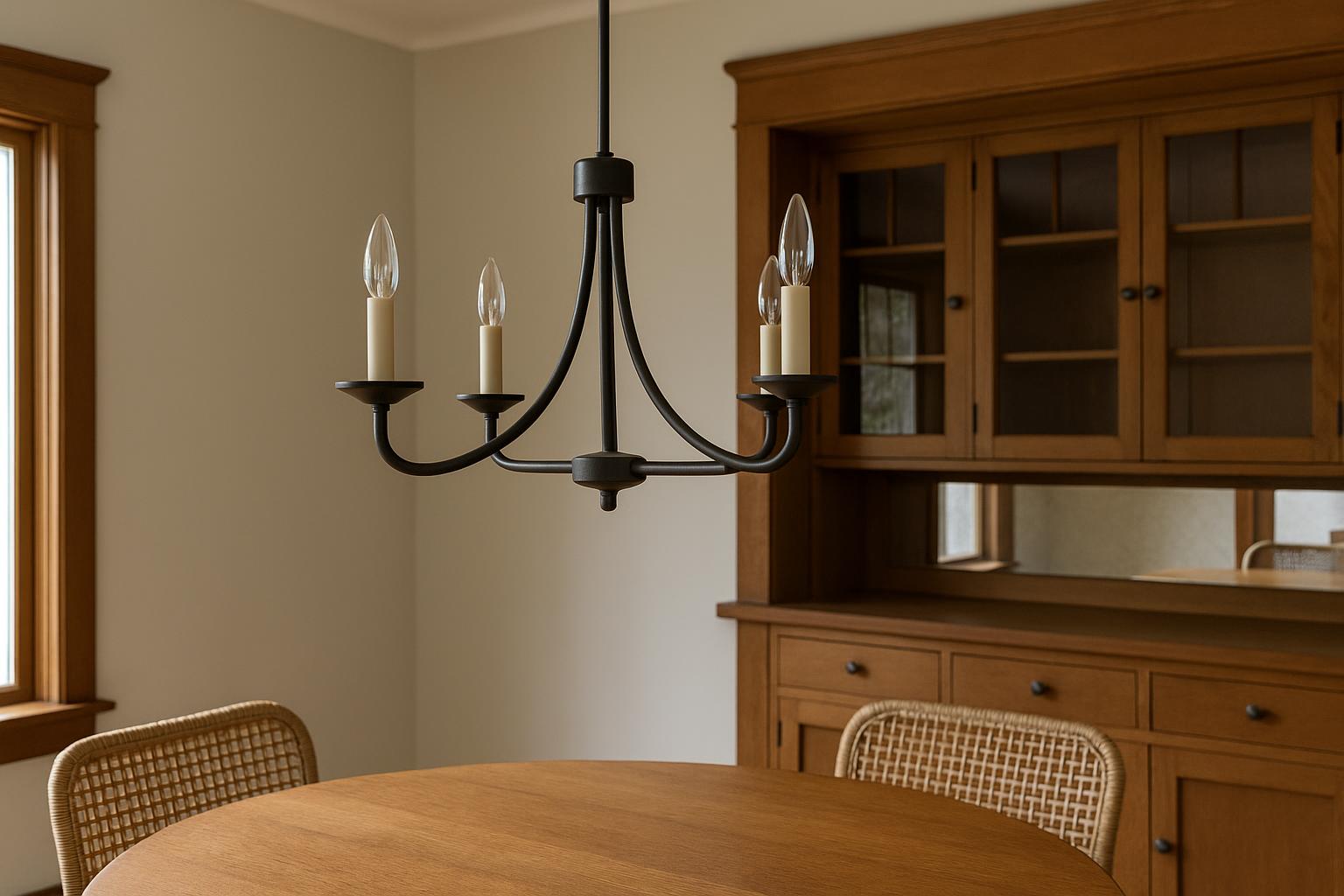
- Candle-style designs add rhythm without the bulk of enclosed shades.
- Cage forms create a stronger architectural outline, so their density should be checked from every doorway.
Decide whether the outline belongs in the room before assigning it a label such as modern, transitional, or industrial. A black finish is adaptable, but the silhouette controls much of the fixture's personality.
Test the Hanging Height From a Chair
A common starting point places the bottom of a dining chandelier about 30 to 36 inches above the tabletop. Treat that range as a test position rather than an automatic answer. The fixture should not block faces across the table or interfere when someone stands to serve food.

Fixture depth matters as much as suspension length. Under an 8-foot ceiling, a tall multi-tiered body may occupy too much of the available space even with a short chain or stem. A 10-foot ceiling permits more air above the fixture, but raising the chandelier too far can disconnect it from the table. In a two-story dining space, a longer drop helps return the light to a comfortable human scale.
Before installation, mark the proposed lowest point with removable tape and string. Sit in each chair, look across the table, and walk into the room from its main approaches. This simple mock-up reveals sightline problems that are difficult to judge from measurements alone.
Plan the Entire Lighting Layer
A chandelier can be visually striking and still produce uncomfortable dining light. Exposed bulbs may create glare at seated eye level, particularly when the bulbs project below the arms. Frosted glass, fabric shades, or integrated diffusers can soften the source, although these elements also increase visual weight.
Check where the light is directed. Some black light fixtures cast useful illumination onto the tabletop, while others emphasize upward or ambient light. The best choice depends on whether recessed lights, wall sconces, or nearby kitchen lighting already provide general coverage.
A dimmer makes it easier to shift between food preparation, serving, cleanup, and conversation. Confirm that the chandelier, bulbs, and dimmer are compatible rather than assuming every LED combination will perform smoothly. Also review the specified bulb base, maximum wattage, included light source, and replacement requirements for the individual fixture.
Warm light often suits dining rooms because it complements wood, food, and skin tones, but consistency is important. Compare the chandelier's light with nearby sconces and recessed lights so one source does not appear noticeably cooler than the others.
Repeat Black Without Matching Everything
A black chandelier does not require black furniture throughout the room. Repeating the finish in two or three smaller places is usually enough to make it feel intentional. Window frames, chair legs, cabinet hardware, a picture frame, or a narrow fireplace surround can provide the connection.
Balance those dark notes with materials that offer relief. Natural wood, cream upholstery, woven fibers, clear glass, and pale walls keep the dining area from becoming visually flat. In a compact room, this contrast is especially helpful because several large black surfaces can make the furniture feel crowded together.
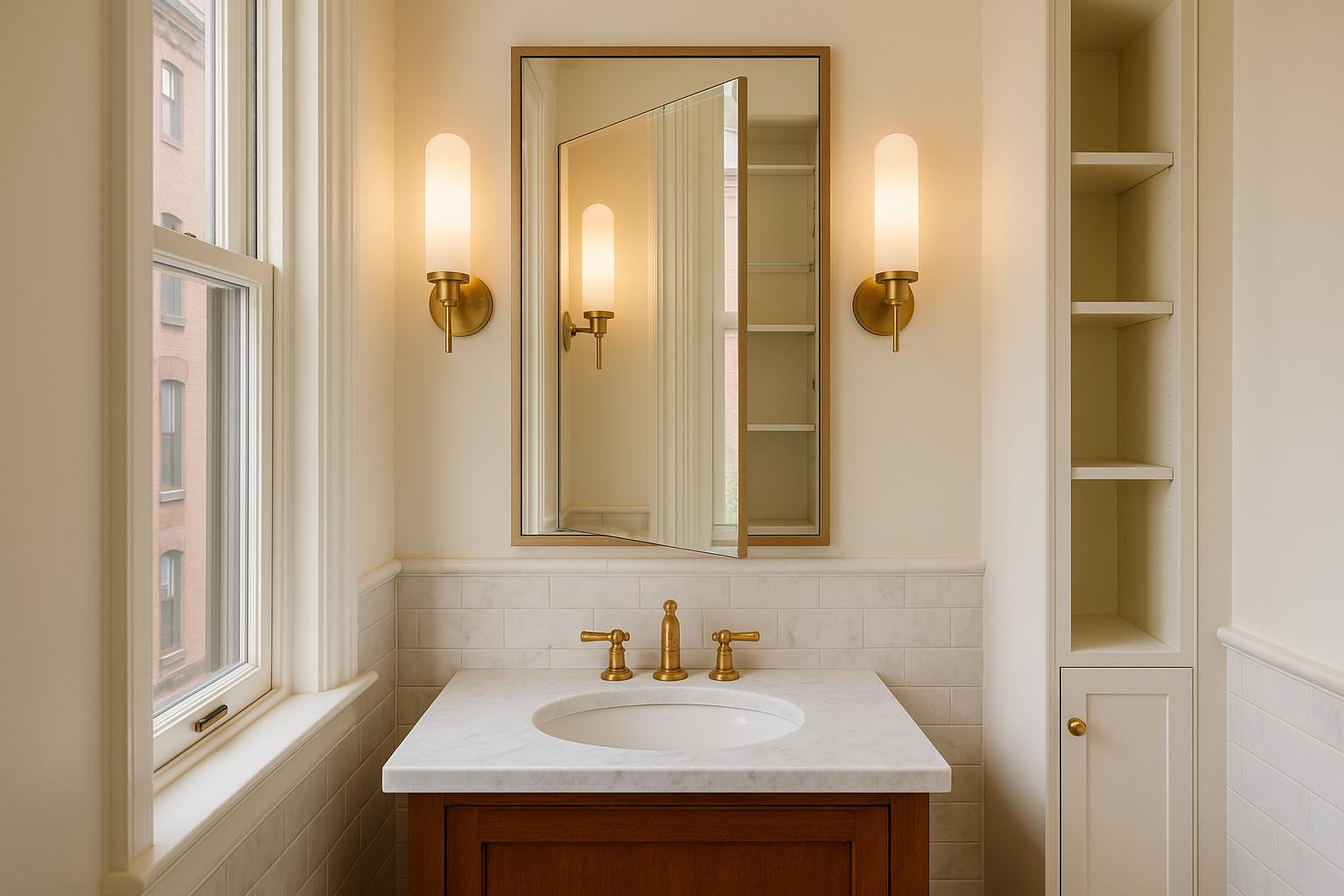
Mixed metals can look deliberate as well. Brass hardware or a warm metal mirror can sit comfortably near matte black lighting when the forms share a similar degree of refinement. Exact finish matching is less important than a coherent relationship among shape, scale, and texture.
Check the Specifications Before You Buy
After narrowing the silhouette, compare the practical details. Matte black lighting creates a quiet, low-reflection outline, but dust may show on wide horizontal arms and shallow rings. Satin or softly textured black catches more light and can make joints and construction easier to see. Glossy finishes have a more decorative presence and make fingerprints, reflections, and surface quality more noticeable.

Inspect product images from below because the canopy, sockets, shade undersides, and suspension hardware will be visible from a dining chair. Confirm the overall width and height, adjustable hanging range, ceiling compatibility, fixture weight, bulb information, and dimming details. For a sloped ceiling or unusually high room, verify that the supplied mounting hardware and suspension are appropriate.
- Record the table width, length, and height.
- Measure the ceiling and calculate the intended drop.
- Check the fixture's lowest point against seated sightlines.
- Confirm how the light reaches the tabletop.
- Consider cleaning access and replacement bulbs.
- Verify that the ceiling box and mounting method can support the fixture.
With those limits in hand, explore the black chandelier collection and compare only the designs that fit the table, ceiling, and lighting plan. A short, practical list is more useful than choosing from dozens of fixtures based on appearance alone.
Installation should follow the product instructions and applicable electrical requirements. A licensed electrician can evaluate the ceiling box, wiring, dimmer, and mounting conditions. Once the placement and support are correct, the chandelier can frame the dining table without obstructing the room around it.